
 Login
Login 

Industries
Rostering for Retail, Hospitality and Events: Managing Variable and Casual Teams
By Humanz · 2026-06-23
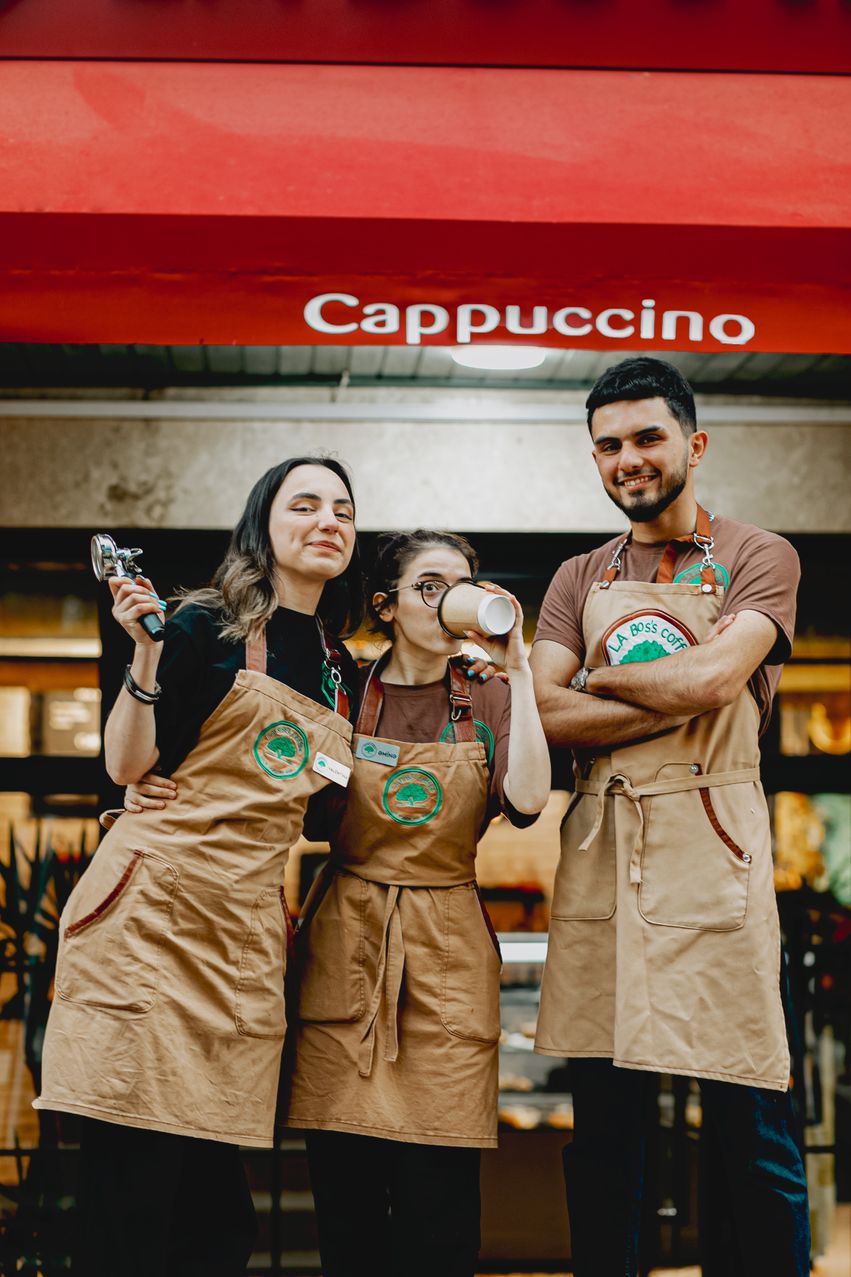
Retail floors, hospitality venues and events all run on the same kind of workforce: large pools of casual and part-time staff whose hours change week to week, sometimes hour to hour. Demand spikes around a long weekend, a festival, a footy final or a Christmas trade period, then drops away again. The roster you built on Monday rarely survives the week intact.
Managing that variability by spreadsheet and group chat is slow, error-prone and stressful — for the people building the roster and the people working it. This guide looks at the recurring challenges of scheduling variable, casual teams across retail, hospitality and events, and how a workforce management platform built for fast-changing shift workforces can take the friction out of it.
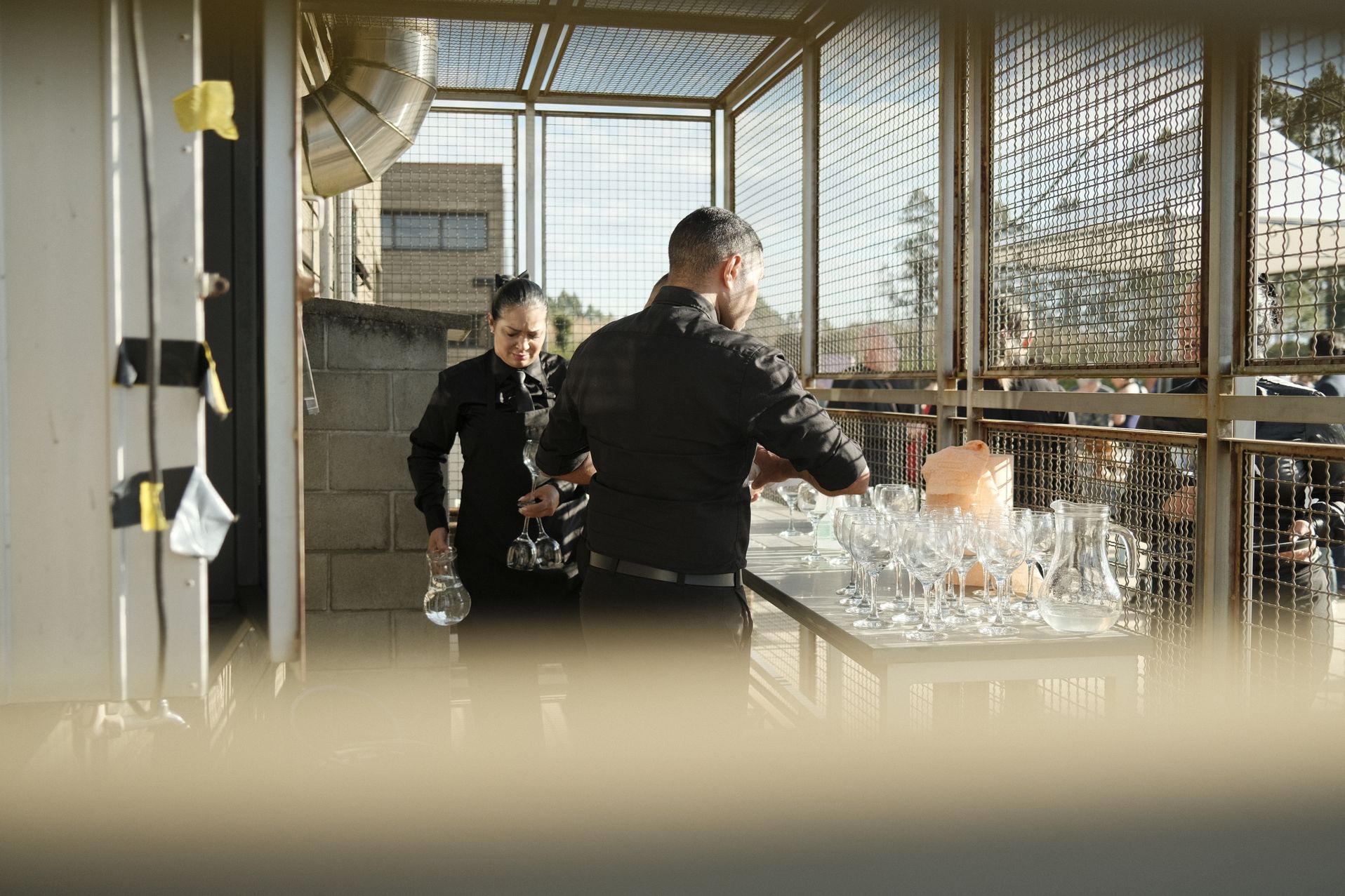
The shared challenge: variable demand and casual pools
Humanz was built for field, operational and shift teams in construction, mechanical contracting, mining services, drilling and trades. Retail, hospitality and events sit outside that core, so let’s be honest up front: these aren’t industries Humanz was purpose-built for. What they share with our customers, though, is the hardest part of the job — coordinating a large, casual, fast-changing shift workforce across multiple locations.
Why these workforces are hard to roster
- Demand is genuinely unpredictable. Weather, walk-ins, a sold-out show or an unexpected function can swing the headcount you need within a day.
- The casual pool is large and fluid. People pick up shifts elsewhere, study, have second jobs and availability that changes constantly.
- Skills and tickets matter. A barista, an RSA-certified bartender, a forklift-ticketed warehouse hand and a security-licensed crowd controller aren’t interchangeable.
- Margins are tight. Over-roster and you burn wages on a quiet shift; under-roster and service suffers.
The fix isn’t more spreadsheets — it’s real-time visibility of who is available, who is qualified and who has actually confirmed. That’s the same principle behind the live, multi-site rostering operational teams rely on every day.
Handling fast, last-minute changes and shift swaps
In retail and hospitality, the live roster changes more than the planned one. Someone calls in sick at 6am, a function gets added, a quiet Tuesday means you send two people home early.
Make changes once, communicate instantly
The problem with manual rostering is that a change has to be made in two places: the schedule, and everyone’s head. Update the spreadsheet and you still have to ring around. With real-time rostering, a change to the schedule is the communication — the affected staff are notified through the mobile app the moment it’s published.
That cuts the lag between deciding to move a shift and the worker actually knowing about it. It’s the same approach behind keeping a venue’s roster live on every phone to head off no-shows: when the schedule updates in real time, confusion drops.
Find the right replacement faster
When a shift falls vacant, the question is always “who can cover this?” Filtering your workforce by availability, location, team and qualification turns that from a phone-around into a quick lookup. Our piece on filtering casual pools and logging why each change was made goes into how filtered views and structured reasons make last-minute reshuffles auditable rather than chaotic.
Cut no-shows with shift confirmation tracking
A published shift is not the same as a confirmed shift. The single biggest source of last-minute scrambling in casual workforces is the staff member who never saw the roster, or saw it and assumed someone else had it covered.
Confirmation closes the loop
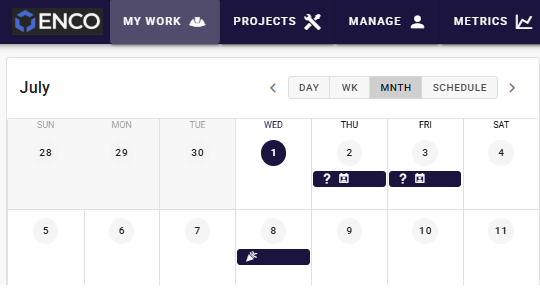
Shift confirmation tracking asks each worker to acknowledge the shifts assigned to them, and shows the scheduler at a glance who has and hasn’t responded. Unconfirmed shifts become visible early — while there’s still time to chase or replace — instead of becoming a no-show on the day.
For a deeper look at how confirmation and messaging work together to reduce no-shows, see pairing shift acknowledgements with team messaging.
Award and penalty-rate awareness
Casual workforces in retail and hospitality are heavily affected by penalty rates, casual loading, minimum engagement periods and broken-shift rules. Most of these sit under modern awards such as the General Retail Industry Award and the Hospitality Industry (General) Award, and they materially change the cost of a roster.
Build the roster with the rules in view
Humanz is a workforce management platform, not a payroll engine, and it doesn’t interpret awards for you. What it does give you is the visibility that good award decisions depend on: who is working when, across which sites, with what total hours — so penalty-rate exposure and excessive-hours risks are obvious before you publish, not after the pay run.
You still need to know the rules. The Fair Work Ombudsman publishes pay and conditions guidance for retail and hospitality, and the Fair Work Commission’s award finder lets you confirm which award applies. For the workforce-management side of staying compliant, our guide to keeping casual shift rosters Fair Work-friendly is a useful companion.
Event staffing surges and short-notice mobilisation
Events are rostering on hard mode. You might staff a venue from a handful of regulars to several hundred casuals for a single weekend, then stand the whole crew down on Monday.
Mobilise large casual crews quickly
Surge staffing has the same moving parts as mobilising a field crew to a new site — just compressed in time:
- Onboarding new casuals fast, with the right details captured before day one.
- Checking qualifications and licences — RSA, RCG, security licences, first aid — are current, with expiry alerts flagging anyone who’ll lapse before the event.
- Document distribution so site maps, run sheets and inductions reach everyone through a single portal.
- Bulk scheduling and notification so hundreds of shifts can be published and confirmed without hundreds of phone calls.
The same onboarding and mobilisation tooling that gets a drilling crew to a remote site applies directly to standing up an event workforce at speed.
Communicating with large casual teams
When your team is mostly casual and rarely all in one place, communication is where rosters succeed or fail. A noticeboard in the staff room doesn’t reach the person who only works Saturdays.
One channel, on everyone’s phone
In-app messaging and notifications keep updates, shift changes and confirmations in the one place staff already check for their roster — rather than scattered across personal texts, a WhatsApp group and a printed sheet. Our article on why a single logged channel beats the staff-room WhatsApp group explains why it beats ad-hoc group chats, especially when you need a record of what was sent and when.
That logged history matters for casual teams: if there’s ever a question about whether someone was notified of a shift, it’s in the system.
Timesheets that match what was actually worked
Variable rosters produce variable hours, and casual pay depends on getting those hours right. Re-keying paper timesheets or reconciling text-message clock-offs is exactly where errors and disputes creep in.
Capture hours at the source
Digital timesheets let staff record their actual start, finish and break times from the mobile app, so what gets paid reflects what was worked. Approvals happen against the roster, and the data flows through to payroll without a manual transcription step. For more on the principles, our wider look at running a casual workforce from one app ties timesheets back to rostering and confirmation.
How Humanz helps (and where it fits)
Being straight about it: Humanz grew up around field, operational and shift teams, and most of the businesses that have backed us since 2019 are in construction, mechanical contracting, mining services, drilling and trades. We don’t have retail- or hospitality-specific extras like POS-linked demand forecasting, and — to be clear — there’s no AI in the product today; auto-rostering and forecasting are on the roadmap, not something you can switch on now.
What Humanz does do well is the part a busy venue, a multi-store retailer or an event crew has in common with our existing customers: running a variable, casual, multi-site shift workforce. In practice that means a duty manager can build a roster across several sites and filter the casual pool by availability and qualification in seconds; staff acknowledge their shifts so the gaps show up before opening, not after; a 6am sick call can be re-covered and pushed to phones instantly; and RSA, RCG and security licences are tracked with expiry alerts so nobody works a shift on a lapsed ticket. When a one-off function or festival lands, the same onboarding and bulk-notification tooling stands up a surge crew quickly, in-app messaging keeps every casual on one logged channel, digital timesheets reconcile rostered against worked hours for the pay run, and the reporting view shows coverage and hours across every site.
If your defining challenge is coordinating a fast-changing casual team across a floor, a bar or an event ground, it’s worth a look. You can size up the wider market in our guide to Australia’s workforce management tools roundup, or talk to us about your venue or event and we’ll be honest about whether Humanz is the right fit.
Frequently asked questions
Is Humanz purpose-built for retail, hospitality or events?
No. Humanz is built for field, operational and shift teams in construction, mechanical contracting, mining services, drilling and trades. It suits retail, hospitality and events teams whose main challenge is managing a variable, casual, multi-site shift workforce, but it doesn’t include industry-specific features like POS-linked demand forecasting.
Can Humanz help reduce no-shows in a casual team?
Yes. Shift confirmation tracking shows you who has acknowledged their shifts and who hasn’t, so unconfirmed shifts surface early enough to chase or replace. Combined with mobile notifications, it closes the gap between publishing a roster and staff actually seeing it.
Does Humanz calculate award rates and penalty rates automatically?
No. Humanz is a workforce management platform, not a payroll system, and it doesn’t interpret awards for you. It gives you clear visibility of hours, sites and coverage so award and penalty-rate decisions are easier to make. Check the Ombudsman’s pay guidance and the Commission’s award finder for the rules that apply.
How does Humanz handle short-notice event staffing surges?
Through fast onboarding, bulk scheduling, document distribution via the portal and instant mobile notifications — the same mobilisation tooling used to stand up field crews quickly. Qualification and licence expiry alerts help ensure surge casuals are ticketed and current before the event.
Does Humanz have AI for forecasting or auto-rostering?
Not currently. AI is on the Humanz roadmap but is not part of the product today. Rostering, filtering and confirmation are handled through real-time tools that schedulers control directly.
How do staff see their shifts and changes?
Through the Humanz mobile app. Published rosters, last-minute changes, confirmations and messages all arrive on the worker’s phone, so the schedule and the communication are the same thing rather than two separate steps. See how on-phone updates keep casual crews in the loop for more.
Can I see hours worked versus hours rostered?
Yes. Digital timesheets capture actual start, finish and break times from the mobile app, which can be approved against the roster and used for payroll. Workforce analytics then let you compare rostered and worked hours across sites.
Juggling penalty rates, RSA tickets and a function that just got added for Saturday? Book a Humanz walkthrough and bring next week’s roster — we’ll rebuild it live across your sites and show you how fast a sick call gets re-covered.
Related articles
Ready to see Humanz on your own roster?
Free 30-minute walkthrough — we'll use your real crews, sites and shift patterns.