
 Login
Login 

Industries
Rostering and Compliance Software for Healthcare and Aged Care
By Humanz · 2026-06-23

Healthcare and aged care run on rosters. A residential aged care home never closes, community care visits run early and late, and a single uncovered night shift can mean a service operating below its required staffing. On top of that, every worker carries a stack of credentials — registrations, screening checks, immunisations, first aid — that must be current before they set foot on the floor. Get the roster wrong and you risk both a care failure and a compliance breach.
This guide looks at what care workforce scheduling actually demands, the compliance load that sits behind every shift, and how a workforce management platform built for field and shift teams transfers to healthcare and aged care. One honest caveat before we go further: Humanz is not a clinical or care-management system, and we’re not pretending otherwise. It doesn’t touch care plans, medication charts or resident records — those stay in your clinical software. Where it earns its place is the workforce layer sitting beneath all of that: building the roster, keeping credentials current, capturing hours, watching for fatigue and holding the compliance line. That layer is where a lot of care providers quietly haemorrhage coordinator time, and it’s the part we built for.
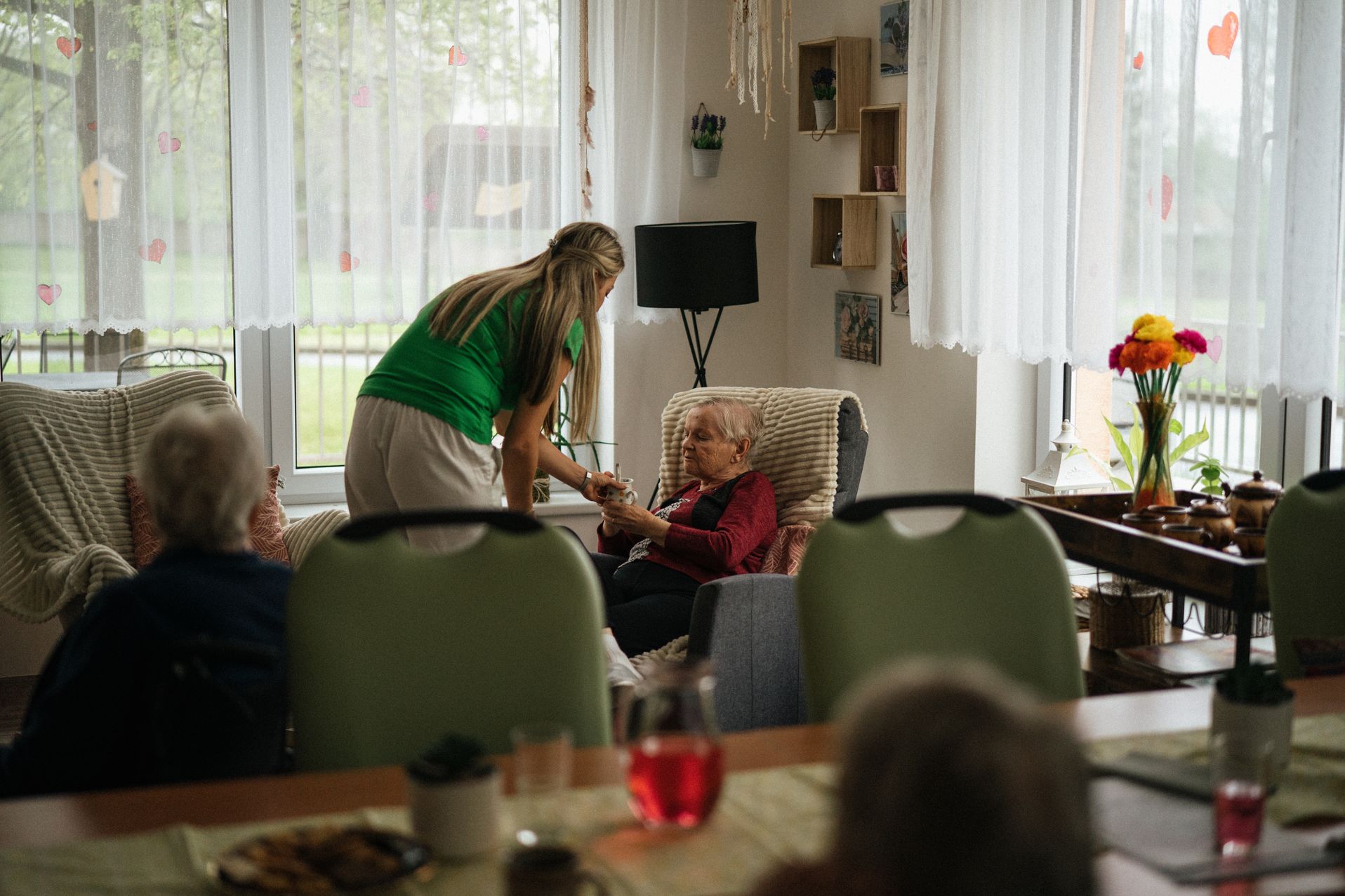
Why aged care and healthcare rostering is harder than most
Care rosters carry a combination of constraints that few other industries face all at once.
- It runs 24/7. Coverage can never drop below required levels, including overnight, weekends and public holidays.
- The workforce is mixed. Permanent staff, part-timers, casuals and agency workers all sit on the one roster, each with different availability and pay rules.
- Demand shifts constantly. Acuity changes, sick leave and last-minute resignations mean the roster you published rarely survives the week intact.
- Every shift has a compliance gate. A worker can be available and willing and still be unable to work because a check has lapsed.
It’s the same knot that rostering platforms built for Australian shift teams already untangle for construction and resources crews — multi-site coverage, mixed employment types and live qualification data — only here the cost of a gap lands on vulnerable people rather than a project deadline.
Building 24/7 and rotating rosters
The foundation of healthcare rostering software is the ability to build and maintain rolling, around-the-clock coverage without rebuilding it from scratch every fortnight.
Rotating patterns and multi-site coverage
Most care providers run rotating rosters — morning, afternoon and night cycles that move staff through a fair spread of shifts. Real-time, multi-site rostering lets a coordinator see every site or service area in one view, set up repeating patterns, and adjust coverage live as the week changes rather than working off a spreadsheet that’s out of date the moment it’s published.
Reducing no-shows and gaps
An unfilled night shift in aged care is a serious operational and compliance problem. Real-time rostering that reduces no-shows matters more here than almost anywhere, because there’s no option to simply run short. Shift confirmation closes the loop: when staff acknowledge shifts in the app and coordinators can see who has and hasn’t responded, gaps surface early enough to fill them.
Managing casual and agency pools and filling shifts fast
Care providers lean heavily on casual and agency staff to cover leave, acuity spikes and vacancies. The speed and accuracy of shift fill is often what separates a smooth week from a scramble.
- A live casual pool. Keep a roster of available casuals with their qualifications, availability and site inductions already on file, so you’re offering shifts to people who can actually take them.
- Fast, trackable shift offers. Push an open shift to qualified staff and track responses in one place rather than chasing phone calls and texts.
- Agency and contractor visibility. Where you bring in agency staff, the same platform can hold their details and credentials alongside your own team, so external workers are held to the same compliance bar.
Holding agency and subcontracted workers in a single view — each with their own compliance profile — is precisely what managing an external and subcontracted workforce demands, and the approach carries straight over to a care provider’s agency pool.
Credential and qualification compliance
This is where healthcare and aged care diverge most sharply from other industries: the sheer volume of credentials, and the consequences of letting one lapse.
The credentials that have to stay current
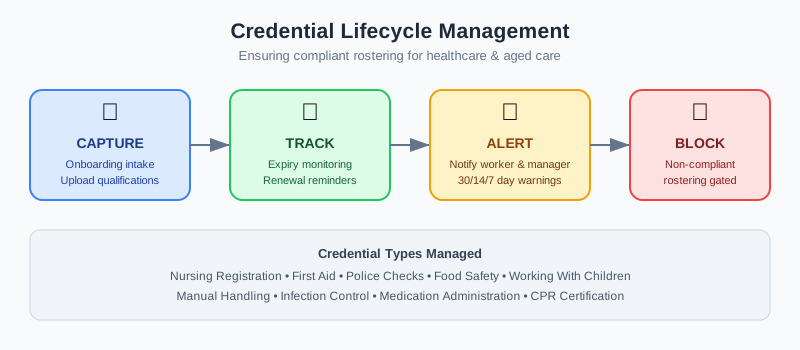
Depending on the role and setting, a care worker may need to hold and maintain:
- Professional registration (for example, nurses registered with Ahpra)
- A police check or nationally coordinated criminal history check, and the relevant worker screening clearance
- Up-to-date immunisations
- A current first aid and CPR certificate
- Mandatory training and site or service inductions
Every one of these has an expiry date, and every one is a reason a worker might be ineligible for a shift they’re otherwise rostered onto.
Expiry alerts and compliance gates
Tracking this in a spreadsheet is where providers get caught out. A credential management approach for healthcare needs two things working together: a single record of every worker’s registrations, screening clearances, immunisations and inductions with their expiry dates, and automated alerts that fire well before a check lapses — not on the day a resident’s safety depends on it. In Humanz, those expiries live against each worker, alerts go out ahead of time, and a compliance gate can stop a coordinator rostering or signing on anyone whose required credential has slipped out of date.
Done well, this means the roster itself enforces compliance: an out-of-date worker simply can’t be allocated to a shift that requires the lapsed credential. The same automated expiry alerts that block non-compliant shifts on construction and mining sites apply cleanly to a care setting. For providers building out a fuller credentialing process, our guide to tracking qualifications, inductions and screening checks goes deeper.
Award awareness, penalty rates and leave
Aged care and health awards are among the more complex in the country, with penalty rates for nights, weekends and public holidays, broken-shift allowances, and minimum engagement rules.
Penalty-rate-aware rostering
Rostering software can’t replace a payroll system, but a roster built with award rules in mind reduces errors before they reach payroll. Visibility of when a shift attracts penalty rates, and where rest-period or overtime thresholds are about to be crossed, helps coordinators build rosters that are both compliant and cost-aware. The Fair Work Ombudsman sets out the record-keeping and entitlement obligations that sit behind this, and our overview of Fair Work compliance for shift workers covers what employers most often get wrong.
Leave and availability
Leave, availability and unavailability all feed the roster. Capturing them in the same system the roster is built in means a coordinator isn’t cross-checking a separate leave calendar to avoid double-booking someone who’s already away. For more on this, see our notes on leave management software considerations.
Fatigue across night shifts
Night work, back-to-back shifts and short rest breaks are a recognised fatigue risk — and in care, a fatigued worker is a risk to residents and clients as well as to themselves.
Fatigue monitoring built into rostering looks at the shape of the roster itself: consecutive shifts, hours worked across a period, and adequate rest between the end of one shift and the start of the next. Surfacing these patterns at the point the roster is built — rather than discovering them after an incident — is the practical value. Our piece on setting up rule-based fatigue checks explains how those rules work hand in hand with credential tracking.
Mobile access, timesheets and audit-ready records
The roster is only half the picture. Care staff are mobile, moving between rooms, floors and clients, and rarely sitting at a desk.
A mobile app for staff
A mobile app lets staff see their roster, confirm or decline shifts, pick up open shifts, receive notifications and message their coordinator without phone tag. Shift confirmation and team messaging in one app keeps everyone working from the same live roster.
Digital timesheets
Digital timesheets capture actual start and finish times from the field, which feed cleaner data into payroll and cut the reconciliation effort at the end of each pay cycle — particularly valuable when penalty rates and broken shifts make manual timesheets error-prone.
Audit-ready records
Aged care providers operate under the scrutiny of the Aged Care Quality and Safety Commission, and being able to demonstrate who worked when, that they held the right credentials at the time, and that records are complete is part of staying audit-ready. A workforce platform that holds rosters, timesheets, credentials and documents in one place — including a document portal for field teams — makes that evidence easy to produce rather than something to assemble under pressure.
How Humanz helps healthcare and aged care providers
It’s worth being plain about what Humanz is. It’s an Australian-built workforce platform with AU-based support, sharpened over years on complex shift workforces in construction, mechanical contracting, mining services, drilling and trades. It is not, and won’t pretend to be, a clinical or care-management system. What it offers a care provider is the operational backbone those demanding settings have in common with a busy residential home or community service.
In practice that means a coordinator builds 24/7 rotating coverage across every site in one live view, and staff confirm or decline shifts from their phone so gaps show up while there’s still time to fill them. Permanent, casual, agency and subcontracted workers all sit on that same roster, each carrying their own credential profile, so open shifts only ever go to someone who is actually eligible. Registrations, screening clearances, immunisations and inductions are tracked with their expiry dates and alerted ahead of time, while compliance gates quietly keep out-of-date workers off shifts they no longer qualify for. Fatigue checks watch the shape of consecutive and overnight rosters, digital timesheets feed clean hours through to payroll, and a document portal, custom forms and onboarding tools keep your evidence in order for inspection day. A mobile app and workforce analytics round it out for staff on the floor and the people managing them.
Your clinical systems keep running as they are — Humanz simply sits underneath as the rostering, credentialing and compliance backbone. When you’re bringing new care staff on, our guide to getting field workers onboarded and ready maps cleanly onto inducting carers and nurses too.
Drowning in credential spreadsheets and last-minute night-shift call-arounds? Arrange a Humanz walkthrough and bring a roster from a real week — we’ll show you how it fills, flags lapsed checks and stays inspection-ready, live.
Frequently asked questions
Is Humanz a clinical or care-management system?
No. Humanz does not manage care plans, medications, resident records or any clinical workflow. It’s a workforce management platform that handles the rostering, credential-tracking, timesheet and compliance layer that sits underneath those systems. Care providers run Humanz alongside their clinical software, not instead of it.
Can it handle 24/7 rotating rosters across multiple sites?
Yes. Real-time, multi-site rostering is a core capability. You can build rotating morning, afternoon and night patterns, see all sites in one view, and adjust coverage live as availability and demand change.
How does it manage credential and qualification compliance?
Humanz holds each worker’s qualifications, licences and inductions with their expiry dates, sends alerts ahead of time, and can apply compliance gates that prevent a worker being rostered onto a shift when a required credential — such as a registration, screening check, immunisation or first aid certificate — isn’t current.
Does Humanz interpret aged care awards or run payroll?
Humanz is not a payroll system and doesn’t replace formal award interpretation. It helps you build rosters with award conditions like penalty rates and rest periods in mind, and digital timesheets feed cleaner data into your payroll system. For your obligations, check directly with the Ombudsman.
Can casual and agency staff be managed in the same system?
Yes. Permanent, casual, agency and subcontracted workers can all sit on the one roster, each with their own qualifications and compliance profile, so you can offer open shifts only to people who are eligible and available.
Does Humanz use AI to build rosters?
Not yet. AI-assisted scheduling is on our roadmap, but for now the rostering, conflict detection and credential checks that protect a care roster are rule-based and coordinator-driven — a deliberate choice in a setting where a wrongly allocated shift carries real consequences for residents and clients.
Does it work for community and in-home care, or only residential facilities?
The rostering, credentialing, timesheet and mobile capabilities apply to both residential and community settings. Mobile access and digital timesheets are particularly useful for community care workers moving between client visits.
Related articles
Ready to see Humanz on your own roster?
Free 30-minute walkthrough — we'll use your real crews, sites and shift patterns.