
 Login
Login 

Safety & Compliance
Fatigue Management Software: What It Does and Why Australian Businesses Need It
By Humanz · 2026-05-08
Fatigue is a silent hazard on Australian worksites. Unlike a missing hard hat or an unlocked gate, you can’t always see it — but the consequences can be severe. For trades businesses managing large field teams, shift workers, and contractors across multiple sites, workforce fatigue tracking is no longer optional. It’s a legal and operational necessity.
This guide explains what fatigue management software Australia businesses should be using, why it matters for construction, mining, and logistics operations, and what to look for when choosing a tool.
What is fatigue management software?
Fatigue management software is a digital tool that helps businesses monitor, track, and manage worker fatigue risk across their workforce. Rather than relying on supervisors to eyeball whether someone looks tired, a fatigue risk management system uses data — shift hours, rest periods, consecutive days worked — to flag when a worker is approaching unsafe fatigue thresholds.
In industries like construction, mining, transport, and utilities, where workers regularly perform long shifts, night work, or FIFO (fly-in fly-out) rosters, a dedicated worker fatigue app can be the difference between a safe site and a serious incident.
A good FRMS software Australia platform doesn’t just record hours — it actively calculates cumulative fatigue risk and surfaces issues before they become incidents. That’s the critical distinction between a basic timesheet tool and a genuine fatigue risk management system. For businesses already managing digital timesheets for trades, fatigue monitoring is a natural next layer of protection.
Why fatigue is a serious risk in Australian industries
The data is stark. According to Health Direct, fatigued workers experience impairments similar to alcohol intoxication — 17 hours without sleep is equivalent to a blood alcohol concentration of 0.05, and 24 hours without sleep is equivalent to 0.10, which is above the legal driving limit. Yet thousands of Australian workers routinely operate machinery, drive heavy vehicles, and work at heights in this condition.
Safe Work Australia estimates that fatigue contributes to approximately 20% of all serious workplace injuries nationally. In shift-heavy industries like construction and mining, that figure is likely higher.
For businesses, the consequences go beyond safety:
- Fatigued workers make more errors, increasing rework and project delays
- Incident investigations are time-consuming and expensive
- WHS penalties for foreseeable fatigue incidents can reach hundreds of thousands of dollars
- Insurance premiums rise after incidents linked to fatigue
- Reputational damage can affect future contract bids
In sectors like mining and heavy transport, driver fatigue management is already tightly regulated. Construction is catching up — and smart operators are getting ahead of it now. For transport and heavy vehicle operations specifically, our guide to fatigue risk management software for transport covers NHVR hours and roster gates in detail.
The legal obligations under Safe Work Australia
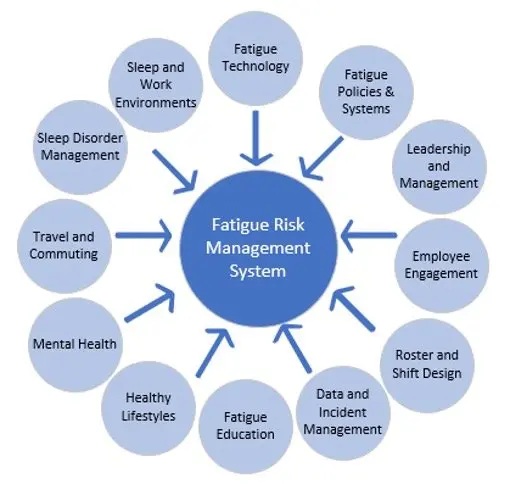
Under Australian WHS legislation, employers have a primary duty of care to eliminate or minimise foreseeable risks — and fatigue is explicitly recognised as one. Safe Work Australia’s fatigue risk management guidelines require businesses to identify fatigue hazards, assess the risk, implement controls, and review those controls regularly.
This means if you’re running crews on 12-hour shifts, rotating nights, or back-to-back FIFO swings, you have a legal obligation to manage fatigue proactively — not reactively after an incident occurs.
The Fair Work Commission also sets minimum rest break requirements under modern awards that apply to shift workers in construction and related industries. Breaching these obligations exposes your business to significant penalties — and in serious cases, directors can face personal liability.
Fatigue risk by industry — why one-size-fits-all doesn’t work
Different industries face different fatigue profiles. Here’s what site fatigue compliance looks like across the sectors Humanz operates in:
Construction
Construction workers frequently work extended hours during project crunch periods, often commuting long distances to remote sites on top of full shifts. Early starts, physical exertion, heat, and consecutive day rosters compound fatigue risk rapidly. Research indicates construction workers are among the most sleep-deprived workforces in Australia, with many averaging less than 6 hours of sleep per night during active project phases.
Key risks: working at heights, operating plant and equipment, operating near moving vehicles on site.
Fatigue monitoring integrates directly with construction site compliance checklists — when hours thresholds are tracked automatically, compliance becomes far simpler to demonstrate.
Mining and resources
The WA mining sector — one of the most significant in the world — runs 24/7 operations with FIFO rosters, extended swings, and night shift rotations. The WA Department of Mines, Industry Regulation and Safety has issued specific guidance on fatigue management for the resources sector, and major mining companies are required to maintain documented fatigue risk management systems.
For smaller contractors supplying labour to mining operations, meeting these requirements can be challenging without dedicated software. A worker fatigue app that automatically tracks swing patterns, consecutive shifts, and minimum rest periods removes the manual burden and provides auditable records for principal contractor compliance checks.
Key risks: operating heavy mobile equipment (HME), driving long distances between site and camp, working in extreme heat.
Logistics and transport
Driver fatigue management is already heavily regulated under the Heavy Vehicle National Law (HVNL), which sets strict work and rest hour requirements for heavy vehicle operators. But fatigue risk doesn’t stop at the cab door — depot workers, load planners, and maintenance crews working irregular hours face the same physiological risks.
For logistics businesses managing both drivers and field support crews, a single platform that tracks fatigue across all worker types — not just CDL holders — provides much better visibility and far simpler compliance management. Our guide to workforce management software for logistics and transport goes deeper on managing driver fatigue alongside depot and field rosters.
Key risks: long-haul driving, fatigue-related vehicle incidents, impaired decision-making in time-critical logistics operations.
Trades and field services
Plumbers, electricians, mechanical fitters, and other trade contractors often work long hours during shutdown periods, emergency callouts, and project delivery crunches. Unlike mining or transport, trades businesses rarely have formal fatigue management systems — yet the physical and cognitive demands of trade work make fatigue just as dangerous.
A mobile-first workforce fatigue tracking tool is especially valuable here, since trades workers are always on the move and rarely sitting at a desktop. For businesses managing subcontractors as well as direct employees, subcontractor management software Australia that includes fatigue visibility across all worker types is worth prioritising.
Key features to look for in a fatigue management tool
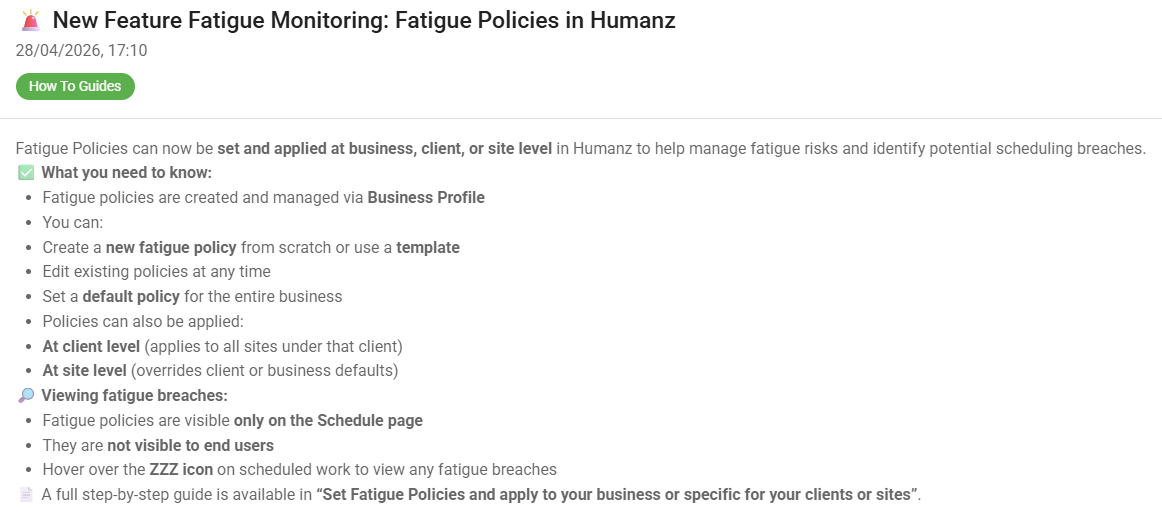
Not all workforce apps include genuine fatigue risk management capabilities. Here’s what a proper site fatigue compliance tool should do:
Fatigue monitoring and alerts
The software should automatically calculate fatigue risk based on actual roster data — not just scheduled hours. Look for:
- Alerts when a worker exceeds maximum consecutive hours
- Flags for insufficient rest between shifts
- Visibility across multiple sites and crews in real time
- Escalation notifications to supervisors or managers
- Cumulative fatigue scoring across a rolling window (not just single-shift tracking)
Integration with rostering and timesheets
A fatigue monitoring tool that sits in isolation is only half useful. The most effective FRMS software Australia platforms integrate directly with rostering and timesheet data, so fatigue risk is calculated automatically from real-world shift patterns — not entered manually by an admin who may not have full visibility.
This integration also means compliance data is automatically available for audits, incident investigations, and principal contractor reporting — without anyone having to chase paperwork.
Audit trail and reporting
If an incident occurs, you need to be able to demonstrate that fatigue risks were identified and managed. Look for software that maintains a complete, timestamped record of fatigue alerts, roster changes made in response to those alerts, and worker acknowledgements. This is critical for WHS investigations and insurance claims.
Mobile access for field workers
Your workers aren’t sitting at a desk. A fatigue management tool needs to work on mobile — allowing workers to view their upcoming shifts, rest periods, and any fatigue flags directly from their phone, without needing to contact the office.
How Humanz handles fatigue monitoring for field teams
Humanz is an Australian-built workforce management platform designed specifically for trades, construction, mining support, and field-based teams. Fatigue monitoring software is built directly into the platform — not bolted on as an afterthought.
Here’s how it works in practice:
- Roster-linked fatigue tracking — fatigue risk is calculated automatically from actual shift data in the Humanz scheduler. No manual data entry required.
- Real-time compliance visibility — site managers and coordinators can see compliance status across their entire workforce from a single dashboard, including workers across multiple sites and projects.
- Automated alerts — when a worker’s hours approach unsafe thresholds, Humanz flags the issue before the shift is confirmed, giving coordinators time to make roster adjustments before the worker is ever put at risk.
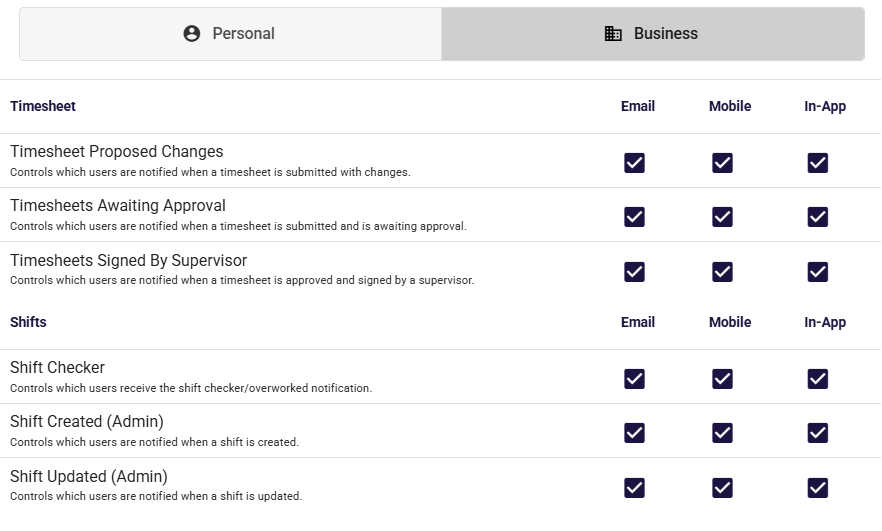
- Mobile notifications — workers and supervisors receive fatigue alerts directly through the Humanz mobile app, keeping everyone informed on-site without needing to call the office.
- Audit-ready records — every fatigue alert, roster change, and acknowledgement is logged with a timestamp, giving you a complete compliance trail for WHS audits or incident investigations.
For businesses operating FIFO rosters, multi-site crews, or extended shift patterns in construction, mining, or logistics, this level of automated oversight removes the burden from supervisors who are already managing complex, fast-moving operations.
See how Humanz works for your team →
Frequently asked questions
Is fatigue management software a legal requirement in Australia? There is no single law that mandates specific software. However, Australian WHS legislation requires employers to manage foreseeable fatigue risks, and using a fatigue risk management system is one of the most effective ways to demonstrate compliance. In high-risk industries like mining and heavy transport, regulators increasingly expect documented evidence of systematic fatigue controls — and software provides the most reliable audit trail.
Does fatigue monitoring software work for FIFO operations? Yes — FIFO operations are one of the primary use cases. The combination of extended rosters, remote sites, compressed swing patterns, and travel time between home and site makes automated workforce fatigue tracking essential. Manual spreadsheet tracking simply cannot keep up with the complexity of a large FIFO workforce.
Can it integrate with my existing payroll and rostering systems? The best platforms — including Humanz — are designed to integrate fatigue monitoring directly with rostering and timesheets. Fatigue data flows automatically from your roster with no duplicate data entry, and payroll data can be cross-referenced to verify actual hours worked against scheduled hours.
What’s the difference between fatigue monitoring and a fatigue risk management system (FRMS)? Fatigue monitoring refers to tracking worker hours and rest periods. An FRMS is a broader framework that includes policies, controls, and systems working together to manage fatigue as an organisational risk. Good software supports an FRMS but should be backed by solid workplace policies, worker education, and supervisor training as well.
Does it work for small trades businesses, not just large mining operations? Absolutely. While large mining and construction operations have the most complex fatigue management needs, small and medium trades businesses benefit just as much. A two-person electrical contracting business running emergency callouts can rack up dangerous hours quickly — and a simple mobile-based worker fatigue app makes it easy to stay on top of without needing a dedicated safety manager.
What happens if a fatigue alert is ignored? If a supervisor overrides a fatigue alert and an incident occurs, the alert record becomes critical evidence in any WHS investigation. Having a documented alert that was ignored significantly increases liability exposure. Good fatigue management software makes it easy to act on alerts rather than dismiss them — by surfacing replacement workers, suggesting roster adjustments, or flagging the issue to a higher level of management.
How does fatigue management software handle variable shift patterns? Modern FRMS software Australia platforms handle irregular shift patterns, rotating rosters, and ad-hoc callouts — not just fixed weekly schedules. Humanz, for example, calculates fatigue risk dynamically as roster changes are made, so a last-minute 12-hour callout is immediately assessed against the worker’s recent hours and rest history.
What should I look for when comparing fatigue management tools? Focus on: real-time roster integration (not manual entry), mobile accessibility for field workers, configurable alert thresholds that match your award and WHS obligations, audit-ready reporting, and ease of use for coordinators managing large crews under time pressure. A tool that’s technically capable but too complex to use daily will quickly be abandoned.
How do I get started with Humanz?Get in touch with the Humanz team to discuss your workforce setup and see how fatigue monitoring fits into your operations. We work with businesses across construction, mining services, trades, and logistics across Australia.
Related articles
Ready to see Humanz on your own roster?
Free 30-minute walkthrough — we'll use your real crews, sites and shift patterns.