
 Login
Login 

Onboarding
How to onboard field workers faster — a step-by-step guide
By Humanz · 2026-06-15
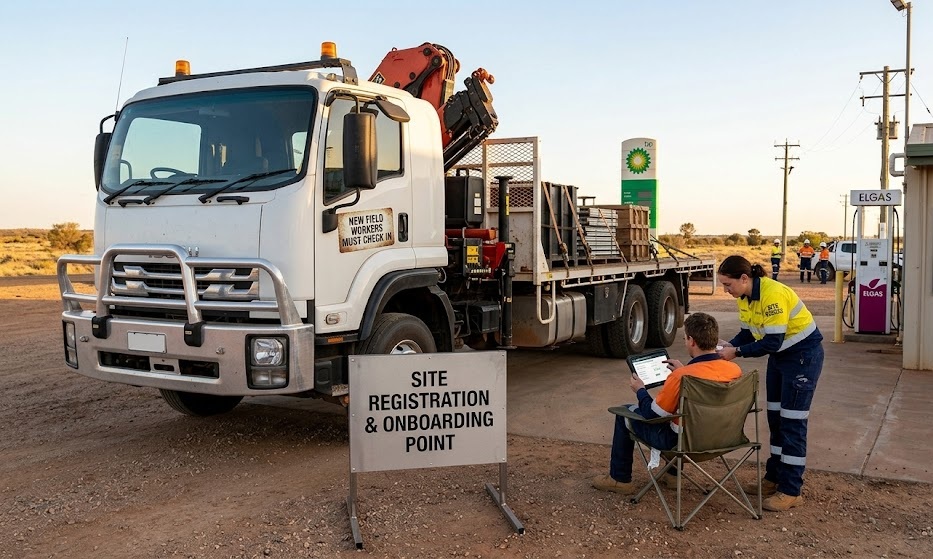
Getting a new field worker onto a job site should be straightforward. In practice, it rarely is. Documents arrive late or in the wrong format. Inductions are scheduled and then rescheduled. Certifications are assumed to be current without being verified. The worker shows up on day one and the site supervisor doesn’t know they’re coming.
For Australian construction and trades businesses, slow or disorganised onboarding isn’t just an inconvenience — it’s a safety risk, a compliance issue, and a cost. Every day a worker is hired but not yet productive is a direct cost to the business. Every induction shortcut is a potential WHS liability. And when new starters are hired for a specific job, onboarding becomes the first step of workforce mobilisation.
This guide covers what field worker onboarding actually involves, why it’s different from office onboarding, and how to build a process that gets workers job-ready faster without cutting corners.
Why field worker onboarding is different from office onboarding
Office onboarding is largely about access — email accounts, software logins, desk location, meeting the team. It’s important, but the safety and compliance stakes are relatively low. This is one of the clearest examples of why workforce management differs from HR software: generic HR onboarding tools are built for the office, not the job site.
Field worker onboarding in construction and trades involves a different set of requirements:
- Physical site safety — every worker needs to understand site-specific hazards, emergency procedures, and safe work practices before they start. This isn’t optional. Under Australian WHS law, an induction must occur before work commences.
- Credential verification — trade licences, White Cards, working at heights certifications, and other tickets must be verified before a worker is deployed. Assuming they’re current isn’t enough.
- Equipment and PPE — workers need to know what PPE is required, where to get it, and what plant and equipment they’re responsible for.
- Rostering and comms setup — the worker needs to be in the scheduling system with correct availability, contact details, and role information before their first shift.
- Payroll and compliance setup — TFN declarations, superannuation choice, and any Award-specific information needs to be collected and processed.
Miss any of these and you either have a compliance problem, a safety risk, or a worker who can’t be deployed on their first scheduled day.
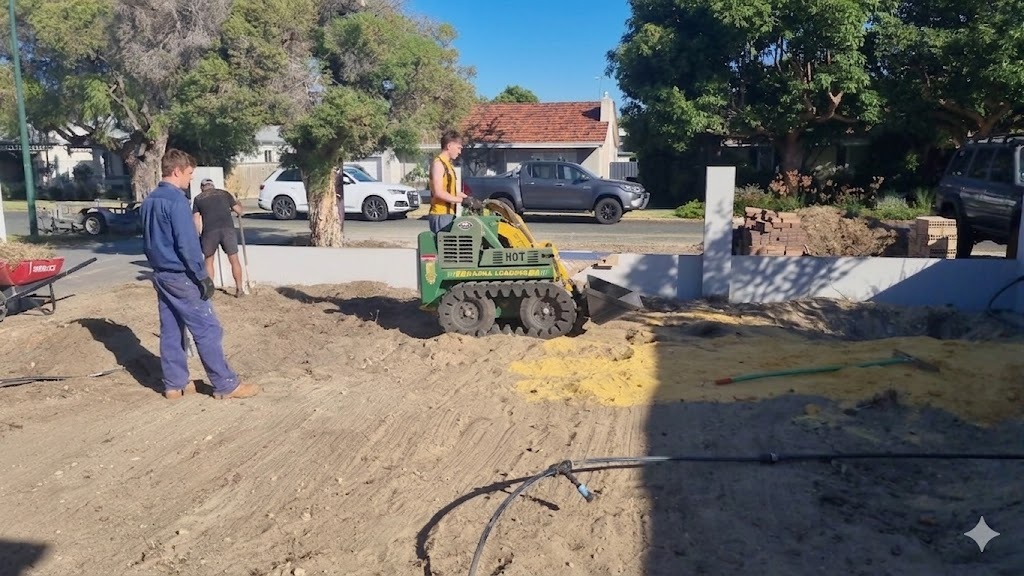
The true cost of slow onboarding for trades businesses
The costs of slow or incomplete onboarding are both direct and indirect:
- Lost productive days — a worker who can’t start because their induction hasn’t been completed or their licence hasn’t been verified is a direct labour cost with no return
- Safety incidents from rushed inductions — a worker who doesn’t fully understand site hazards because the induction was verbal and rushed is a liability
- Payroll errors — missing TFN declarations or incorrect Award classifications create payroll problems that are expensive to unwind
- Compliance exposure — if Safe Work Australia or a principal contractor audits your site records and a worker’s induction or licence can’t be verified, the consequences can be significant
- Poor first impressions — disorganised onboarding signals to new workers that the business is poorly run. In a tight labour market, it contributes to early turnover
Step-by-step: how to onboard a field worker efficiently
Step 1: collect documents and certifications digitally
Before a worker’s first day, you need:
- Signed employment contract or contractor agreement
- TFN declaration (for employees) or ABN details (for contractors)
- Superannuation choice form
- White Card (Construction Induction Card)
- Trade licence (if applicable)
- Working at heights, confined space, or other role-specific certifications
- Proof of right to work in Australia
- Emergency contact details
The fastest way to collect this is via a digital onboarding portal where the worker uploads documents from their phone before day one. This removes the paper shuffling that happens on the first morning and means you can verify credentials in advance.
The ATO provides a new employee checklist covering the payroll compliance requirements for every new starter.
Step 2: complete inductions and safety training
Site inductions must happen before work commences — this is a requirement under the model WHS Act and cannot be deferred. An effective site induction covers:
- Site layout and hazard areas
- Emergency procedures (muster points, first aid, evacuation)
- Site rules (PPE requirements, vehicle movement, no-go zones)
- Reporting procedures for incidents and near-misses
- Role-specific risks and controls
Inductions delivered digitally — via a form or video that the worker completes on their phone — have the advantage of being tracked, timestamped, and retrievable. Paper sign-in sheets are not.
Safe Work Australia’s guidance on inductions is clear that workers must be given sufficient information to perform their work safely before starting.
Step 3: add to rosters and confirm availability
Once documents are verified and induction is complete, the worker needs to be in your scheduling system with:
- Correct role and trade classification
- Availability preferences
- Site access permissions
- Any restrictions (e.g. cannot work nights, licenced for specific plant only)
Getting this right upfront prevents the scheduling conflicts and gaps that come from incorrect worker profiles. For businesses using Humanz as their staff onboarding app and workforce platform, the worker’s profile feeds directly into rostering — so coordinators can start scheduling them as soon as onboarding is complete.
Step 4: assign equipment and site access
Before the first shift:
- Confirm what PPE is required and whether it’s being supplied or self-provided
- Allocate any tools, vehicles, or plant the worker will be responsible for
- Set up site access credentials if required (swipe cards, pin codes, site-specific apps)
- Record asset allocations in your system so there’s a clear record of what each worker is responsible for
This connects directly to asset tracking — when equipment is allocated during onboarding and recorded in the system, it doesn’t go missing at the end of a job. See our article on asset tracking for field teams for more on how this works in practice. A mobile workforce app for contractors that handles both onboarding and asset allocation in one place removes the risk of equipment being assigned verbally and never recorded.
Step 5: brief on comms channels and reporting
The final step is making sure the worker knows how to communicate and report. This means:
- Installing the workforce app and logging in before day one
- Understanding where to find their roster and shift details
- Knowing how to submit timesheets
- Understanding how to report a near-miss or incident
- Knowing who to contact if there’s a problem on site
If your business uses in-app messaging for shift communications, the worker needs to be set up and briefed on this before their first day — not when they’re already standing on site wondering where the crew is.
How Humanz automates field worker onboarding
Humanz is a field worker onboarding software and full workforce management platform designed for Australian trades and construction teams. The onboarding module connects directly to rostering, compliance, timesheets, and communications — so a new worker isn’t fully onboarded until every step is complete.
Here’s how Humanz handles the process:
- Digital document collection — workers upload contracts, licences, and certifications from their phone before day one. Coordinators are notified when documents arrive and can verify them in the platform.
- Licence and certification tracking — credentials are stored against the worker’s profile with expiry dates tracked automatically. Humanz alerts you before licences lapse and prevents the worker from being rostered if credentials are missing or expired.
- Digital inductions — create custom induction forms specific to each site or project. Workers complete them on mobile, submissions are timestamped and stored against their record.
- Immediate roster integration — once onboarding is complete, the worker appears in the rostering system with their correct role, availability, and compliance status. No manual data re-entry.
- Asset allocation — equipment assigned during onboarding is tracked in the same platform, with a clear record of what each worker is responsible for.
- App setup and comms — workers are added to the relevant job communication channels as part of onboarding, so they receive shift notifications and updates from day one.
For businesses managing a mix of direct employees and subcontractors, the onboarding process is consistent across both worker types — with subcontractor-specific fields (ABN, insurance, contractor agreement) handled automatically. See our article on subcontractor management software Australia for how that side of the platform works.
Onboarding feeds directly into construction site compliance — a worker who hasn’t completed their induction or whose licence hasn’t been verified should not appear as available in your roster. Humanz enforces this automatically.
Frequently asked questions
Is a site induction legally required before work starts in Australia?
Yes. Under the model Work Health and Safety Act (adopted in most Australian states and territories), persons conducting a business or undertaking (PCBUs) must provide workers with the information, training, and instruction necessary to work safely. This includes a site-specific induction before commencing work. Deploying a worker who hasn’t been inducted creates direct WHS liability.
Can onboarding documents be collected digitally in Australia?
Yes. There is no legal requirement for onboarding documents to be paper-based. Digital documents, electronic signatures, and online form submissions are all legally valid — and in many cases more defensible than paper records because they include timestamps and user identification.
How long does digital onboarding typically take compared to paper-based onboarding?
Paper-based onboarding for a field worker typically takes 1–3 days from offer acceptance to job-ready, assuming no delays in document collection. Digital onboarding through a platform like Humanz can reduce this to same-day or next-day in straightforward cases, because workers can complete forms and upload documents from their phone before they arrive on site.
What happens if a worker’s licence can’t be verified before their first shift?
They should not be deployed to site for any role that requires that licence. Under Australian WHS law, deploying an unlicenced worker to perform licenced work creates serious liability for the business. A good onboarding system — and a good compliance system — prevents this from happening by flagging the gap before scheduling.
Do subcontractors need to go through the same onboarding process as employees?
The compliance elements are essentially the same — White Card, trade licence, site induction, and any site-specific requirements. The employment-related elements differ (no TFN declaration for contractors, but an ABN and contractor agreement instead). A platform like Humanz handles both with the same workflow, with different fields for each worker type.
How do I handle onboarding for a worker who is starting across multiple sites?
Each site typically has its own induction requirements. A good system stores the worker’s base credentials (licences, White Card) centrally, but allows site-specific inductions to be completed separately for each site. The worker’s profile shows which sites they’ve been inducted at, giving coordinators clarity on where they can be deployed.
What records do I need to keep from the onboarding process?
At minimum: signed employment or contractor agreement, TFN declaration or ABN, White Card, any role-specific licences, site induction records (with timestamp and version of the induction form used), and superannuation choice. The ATO and Fair Work Ombudsman both publish checklists for new starters that are worth bookmarking.
Related articles
Ready to see Humanz on your own roster?
Free 30-minute walkthrough — we'll use your real crews, sites and shift patterns.